Flat vs. Sloped Roof Snow Removal: Preparing for Edmonton Winters
Advanced Roofing Systems Ltd. • November 4, 2026
Heavy snow accumulation in Edmonton creates immediate physical stress on building structures. Property owners often wait until warning signs appear before addressing the heavy load sitting on their buildings. Advanced Roofing Systems Ltd handles winter roof maintenance across the region, and we see the damage caused by delayed action every year. Understanding the different demands of flat and sloped roofs is the first step in protecting your property.
Clearing a roof is not as simple as sending someone up with a shovel. The methods used must match the roof architecture to prevent accidental damage to the membrane or shingles underneath. Knowing how to prepare your roof for heavy snow in Edmonton means recognizing when the load becomes a hazard and having a maintenance plan in place before the storm hits. Proper preparation minimizes the risk of structural overload and unexpected water ingress.
What we cover in this guide:
- The different risks for flat and sloped roofs
- Essential preparation steps before the snow arrives
- Professional roof snow removal methods
- Warning signs of structural stress
Understanding the Risks for Different Roof Types
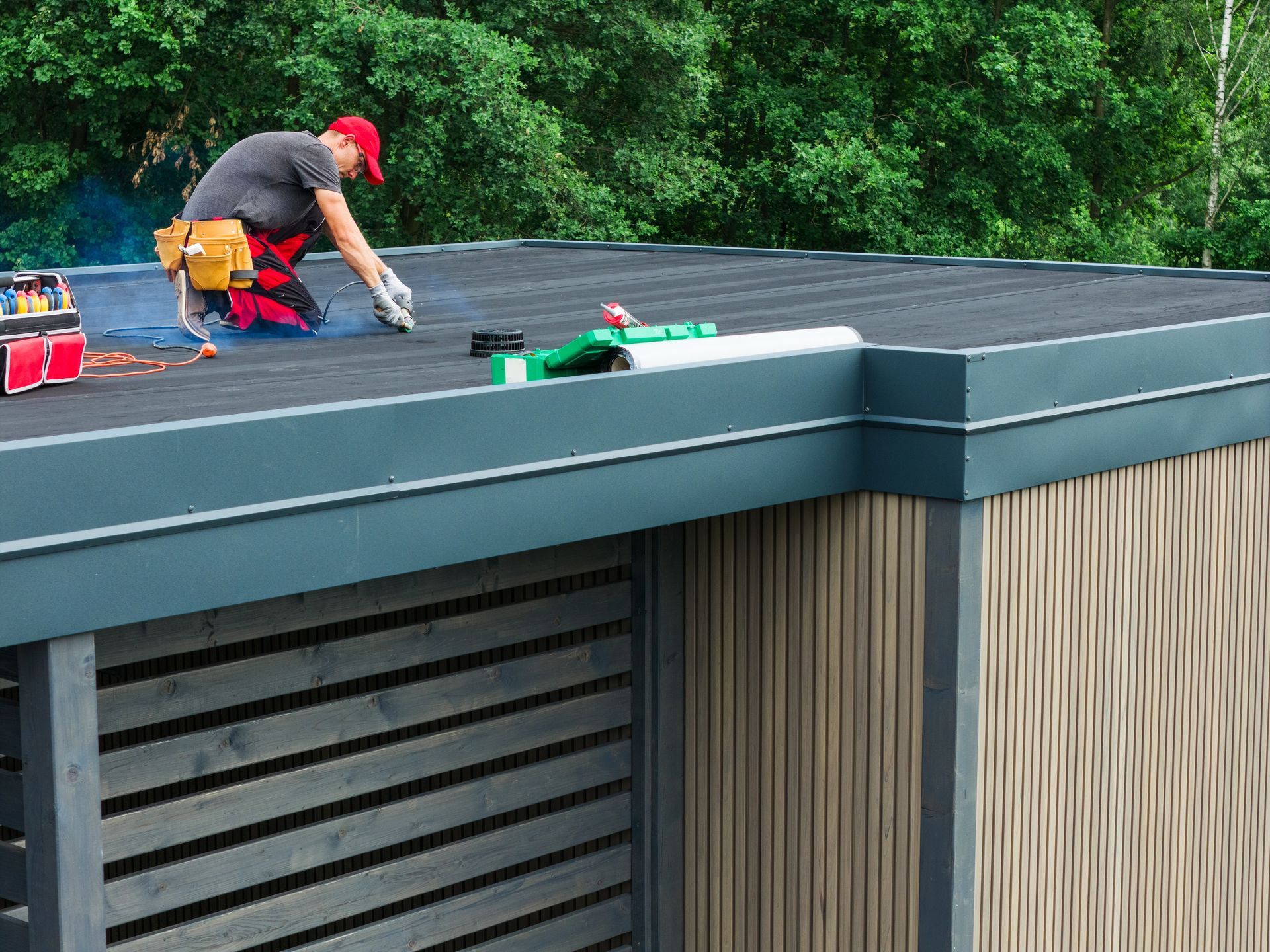
Flat roofs and sloped roofs react differently to heavy snowfall. Flat commercial systems hold the entire weight of the snow and ice. This creates a massive dead load that stresses the underlying trusses and structural supports. If the snow becomes saturated with rain or melts slightly and refreezes, the weight increases dramatically. Flat roofs also rely entirely on internal drains or edge scuppers, which easily become blocked by ice buildup.
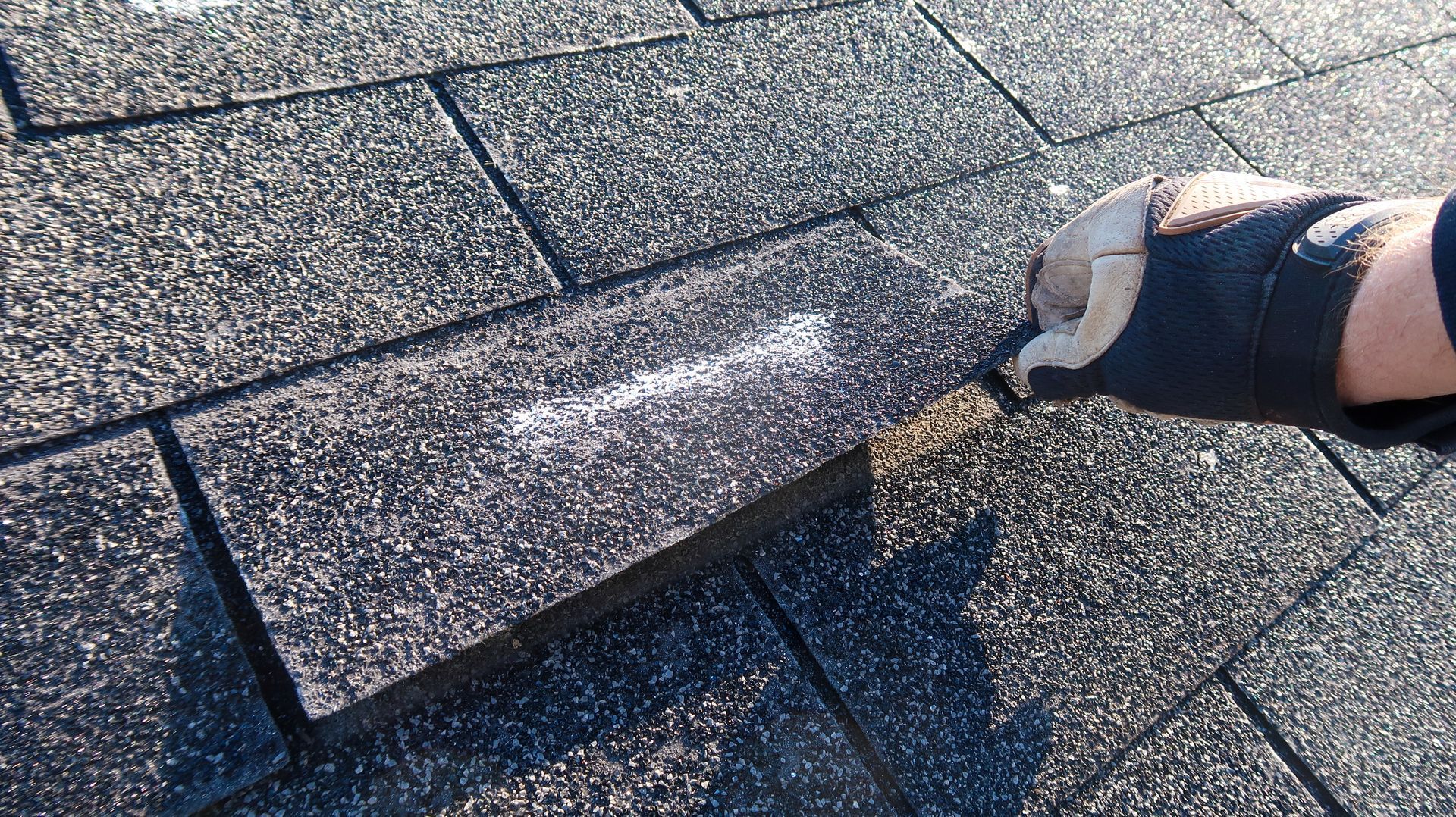
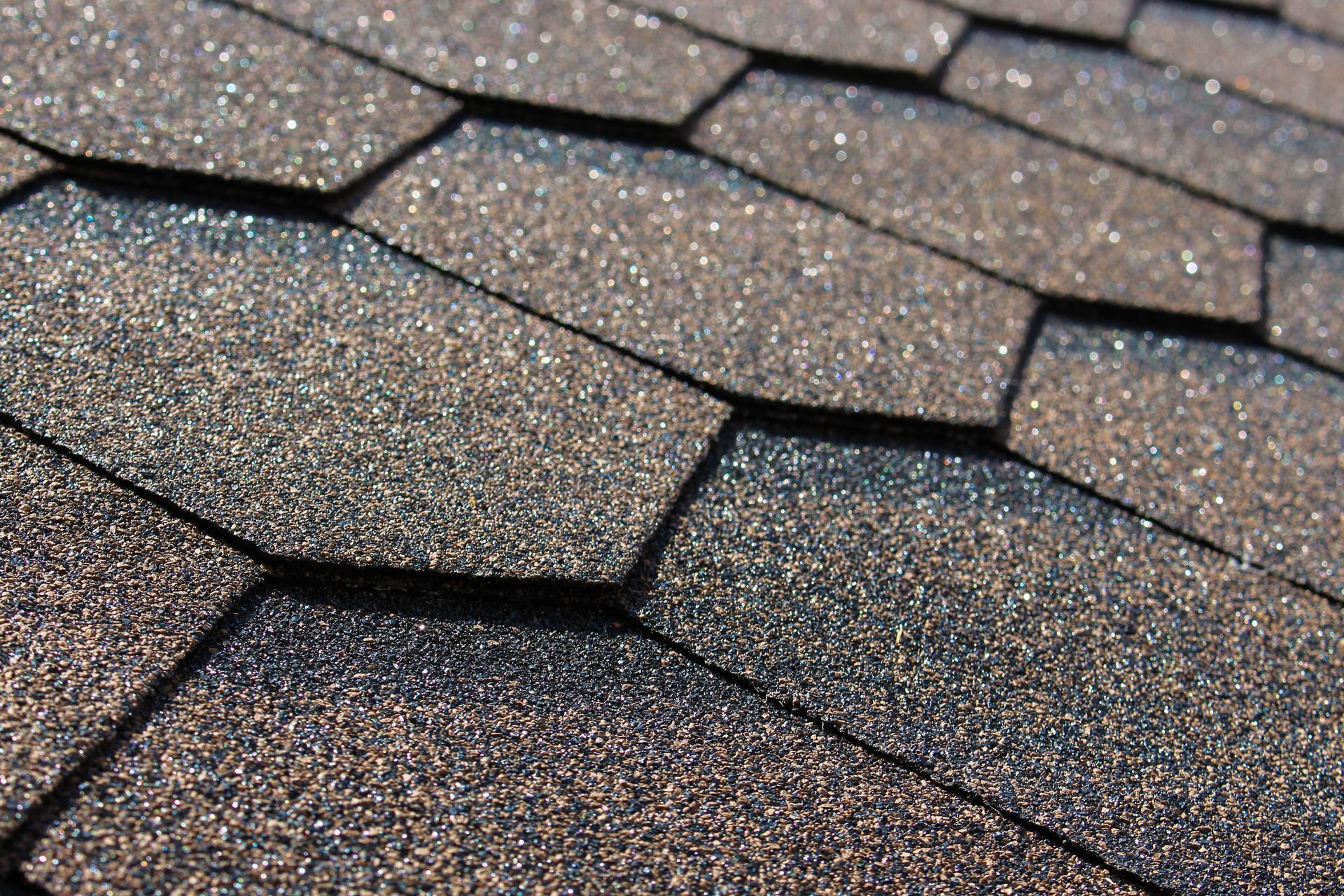
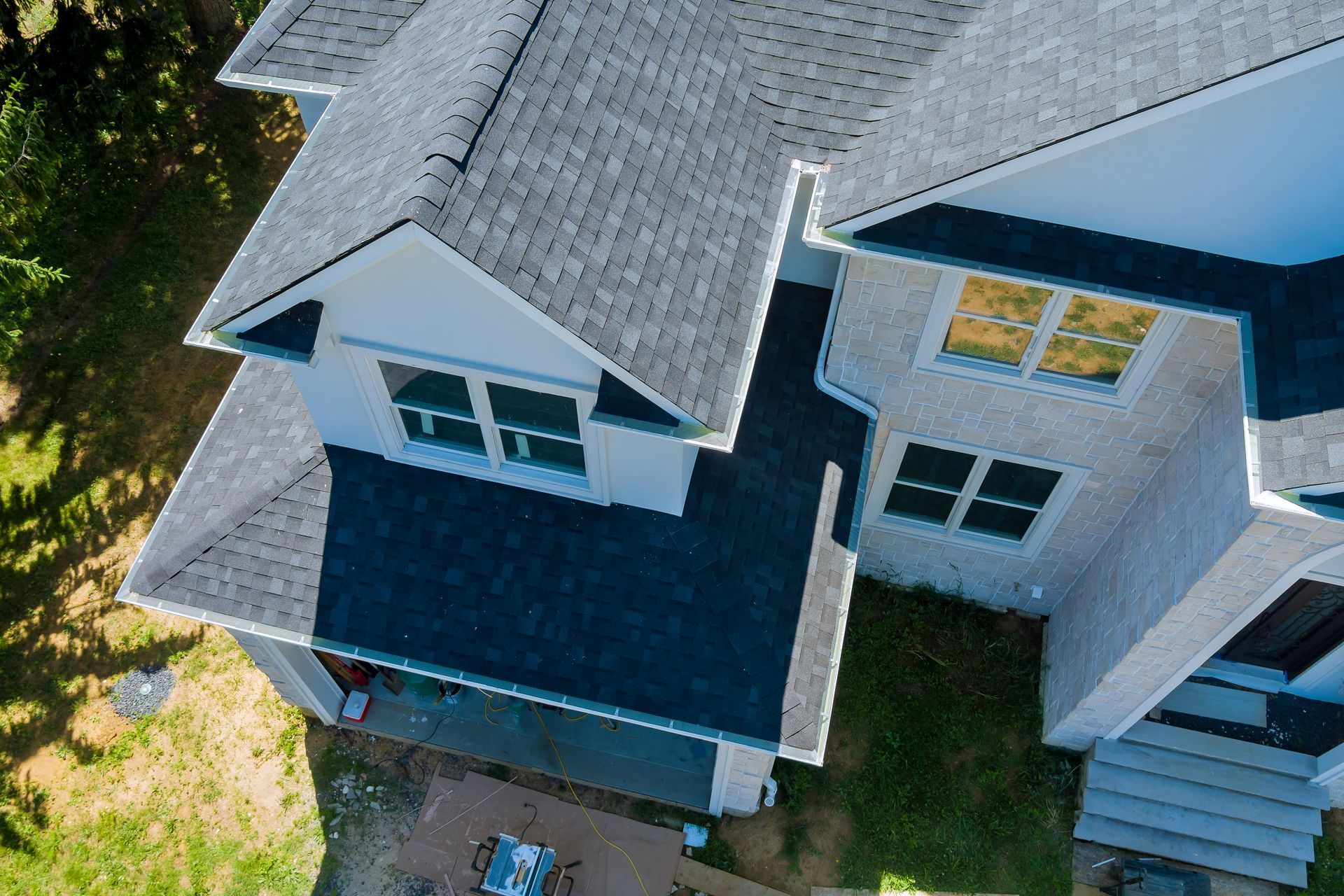
Sloped residential roofs shed some snow naturally, but they are highly susceptible to other cold weather issues. The primary risk for sloped roofs is the formation of ice dams at the eaves. When heat escapes from the living space into the attic, it melts the snow on the upper sections of the roof. This water runs down to the colder overhangs and freezes. Over time, this creates a solid barrier of ice that forces pooling water to back up under the asphalt shingles and into the home.
Preparing Your Property for Winter
Preparing for winter starts well before the first major snowfall. Clear all gutters and downspouts in late fall to ensure melting snow has a clear path off the building. When gutters are packed with leaves and dirt, they freeze solid and become the foundation for massive ice dams.
Inspect the attic or top floor for proper insulation and ventilation. Escaping heat melts snow unevenly and feeds ice dam formation on sloped roofs. Good ventilation keeps the roof deck cold, allowing the snow to melt evenly across the surface. Establish a relationship with a contractor for roof snow removal early so you are on their schedule when a major storm hits. Waiting until the snow is two feet deep means you will be competing with every other property owner for emergency service.
Professional Roof Snow Removal Techniques
The approach to clearing snow changes based on the materials and pitch of the roof. Property owners attempting DIY removal often cause severe damage to their roofing materials by using the wrong tools.
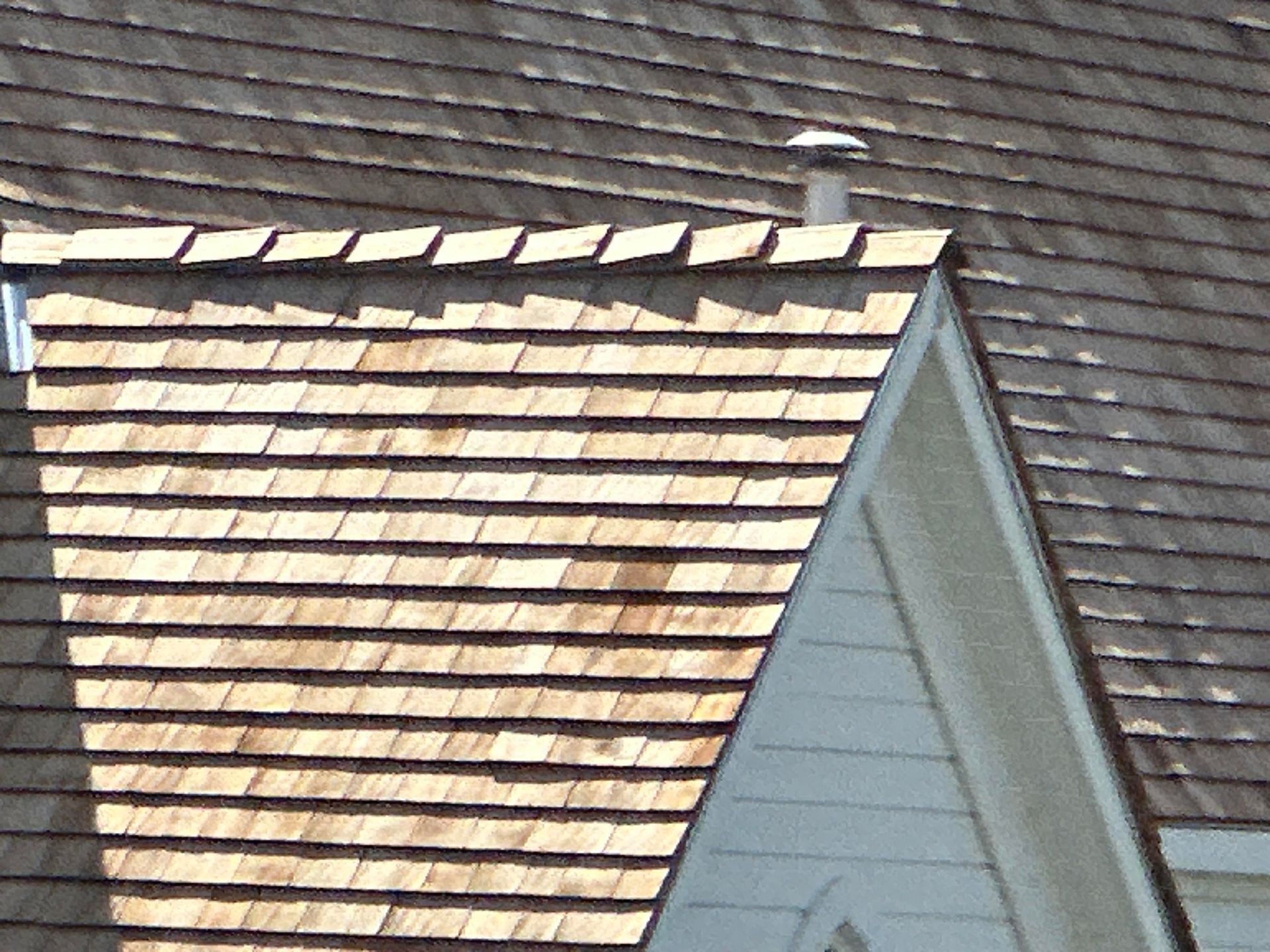
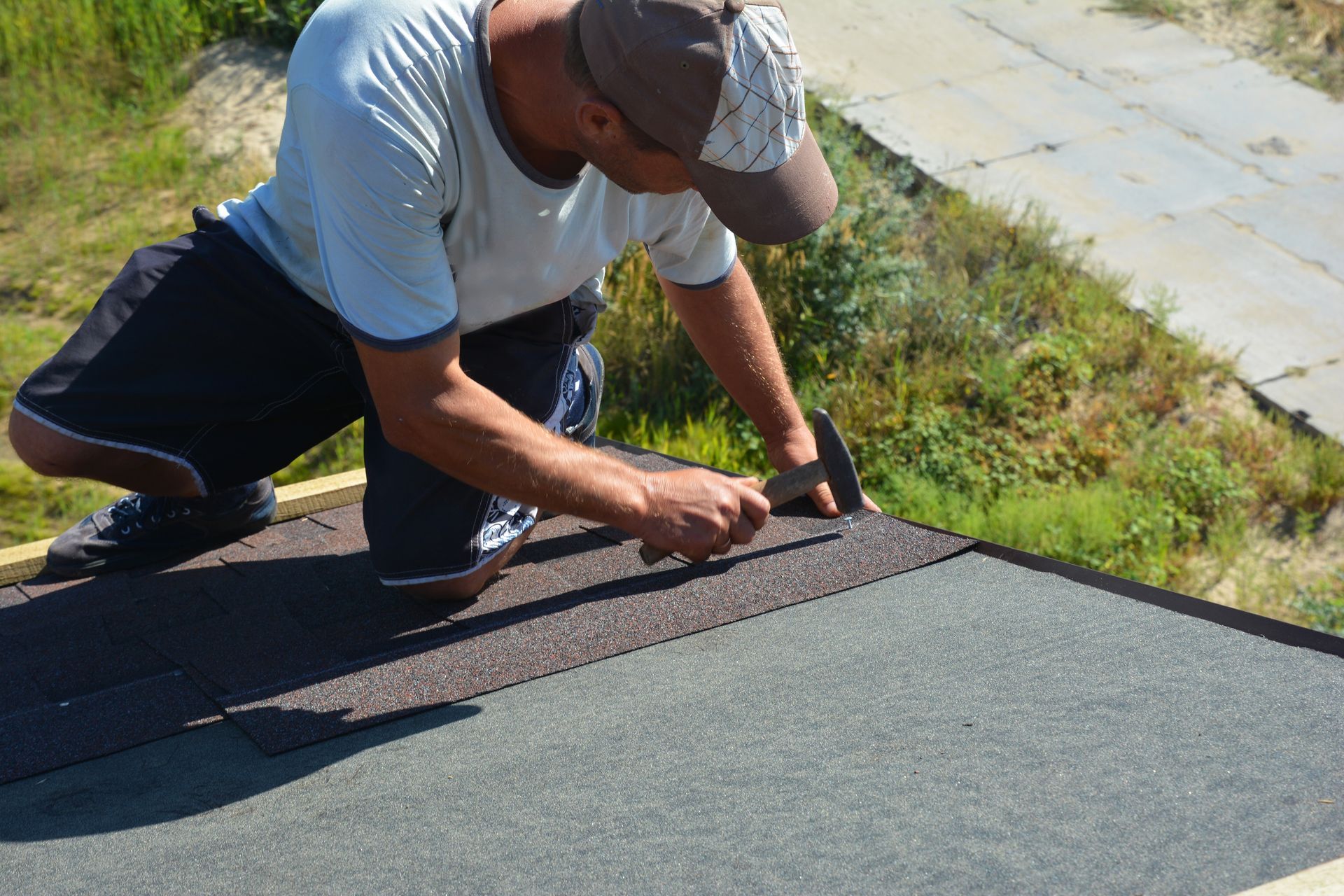
● Sloped roofs: Technicians use long handled snow rakes to pull snow down safely from the ground or secure ladders. This prevents damage to asphalt shingles or metal panels while keeping workers off dangerous inclines.
● Flat roofs: Crews use heavy duty plastic shovels or specialized snow pushers to move snow toward designated drop zones. Metal shovels are never used because they easily slice through EPDM or TPO membranes.
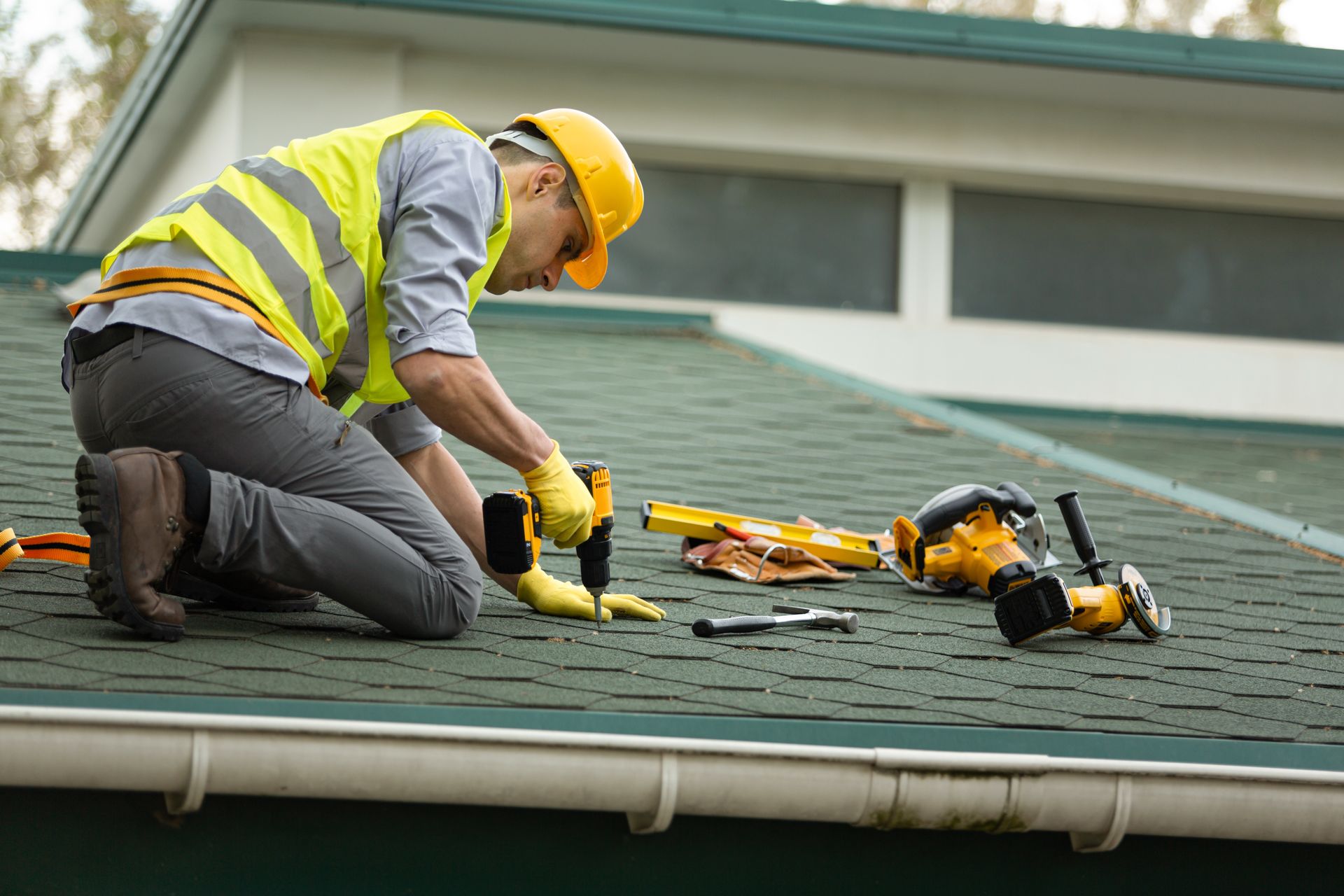
● Safety protocols: Workers operate in pairs using fall protection harnesses and established anchor points. Navigating a snowy roof involves avoiding hidden skylights, vents, and fragile equipment.
Signs You Need Immediate Snow Clearing
Waiting too long to clear snow leads to costly emergency repairs. Listen for new creaking or popping sounds coming from the ceiling or roof structure. Look for sagging drywall, doors that suddenly stick in their frames, or severe ice buildup along the roof edges.
If you spot these issues, the building is holding too much weight and requires immediate attention. Commercial buildings with large flat spans are particularly vulnerable to sudden failures if the snow load exceeds the structural capacity. Regular monitoring during heavy precipitation events is the best way to avoid a catastrophic collapse.
Managing Winter Roof Loads
Ignoring heavy snow accumulation puts your property at risk of structural damage and expensive interior leaks. Staying ahead of the weather protects the integrity of your building through the harshest months. Reach out to schedule a snow clearing plan for your property before the deep freeze sets in.
Share This Blog