4 Ways Substandard Underlayment Accelerates Asphalt Shingle Failure
August 19, 2026
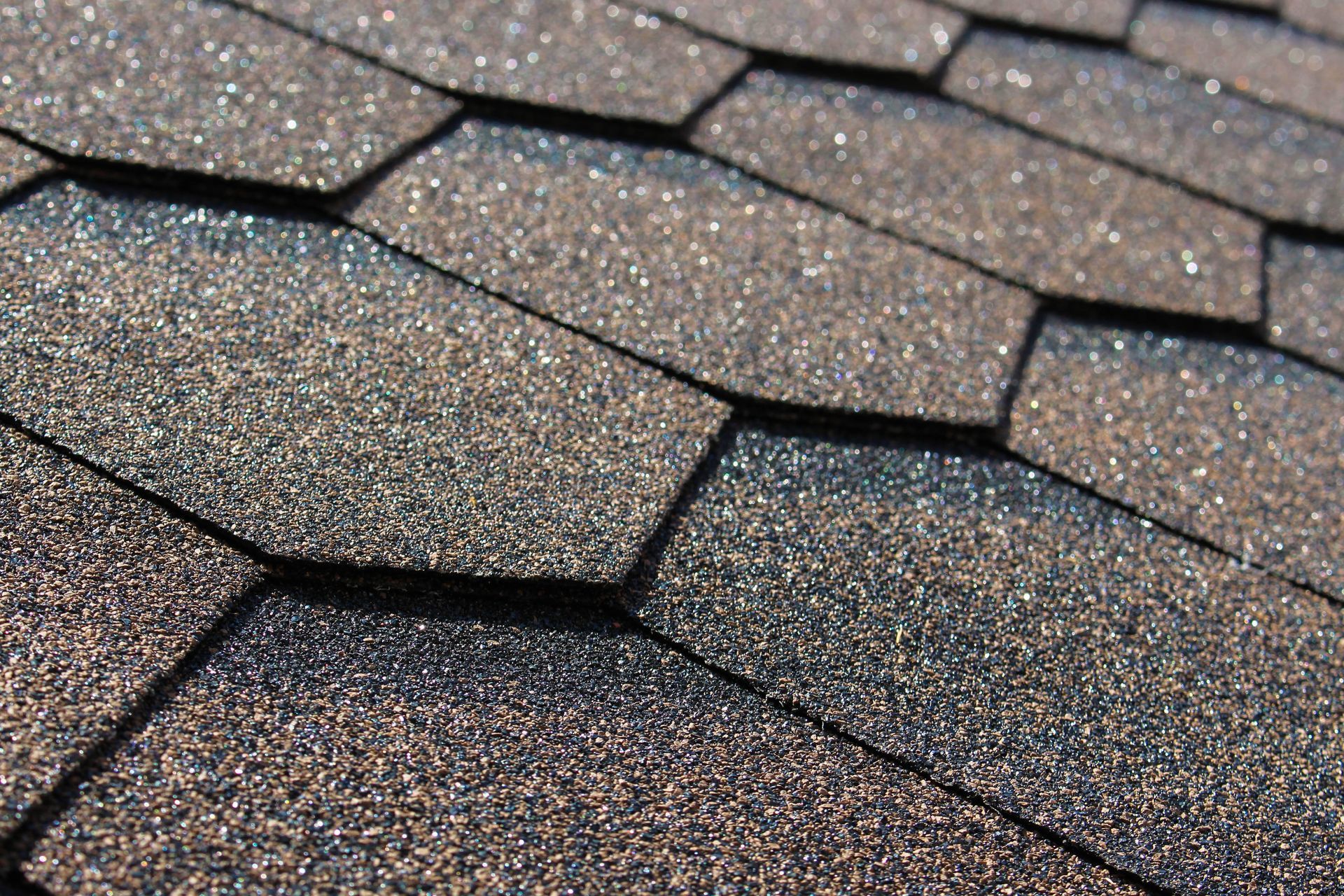
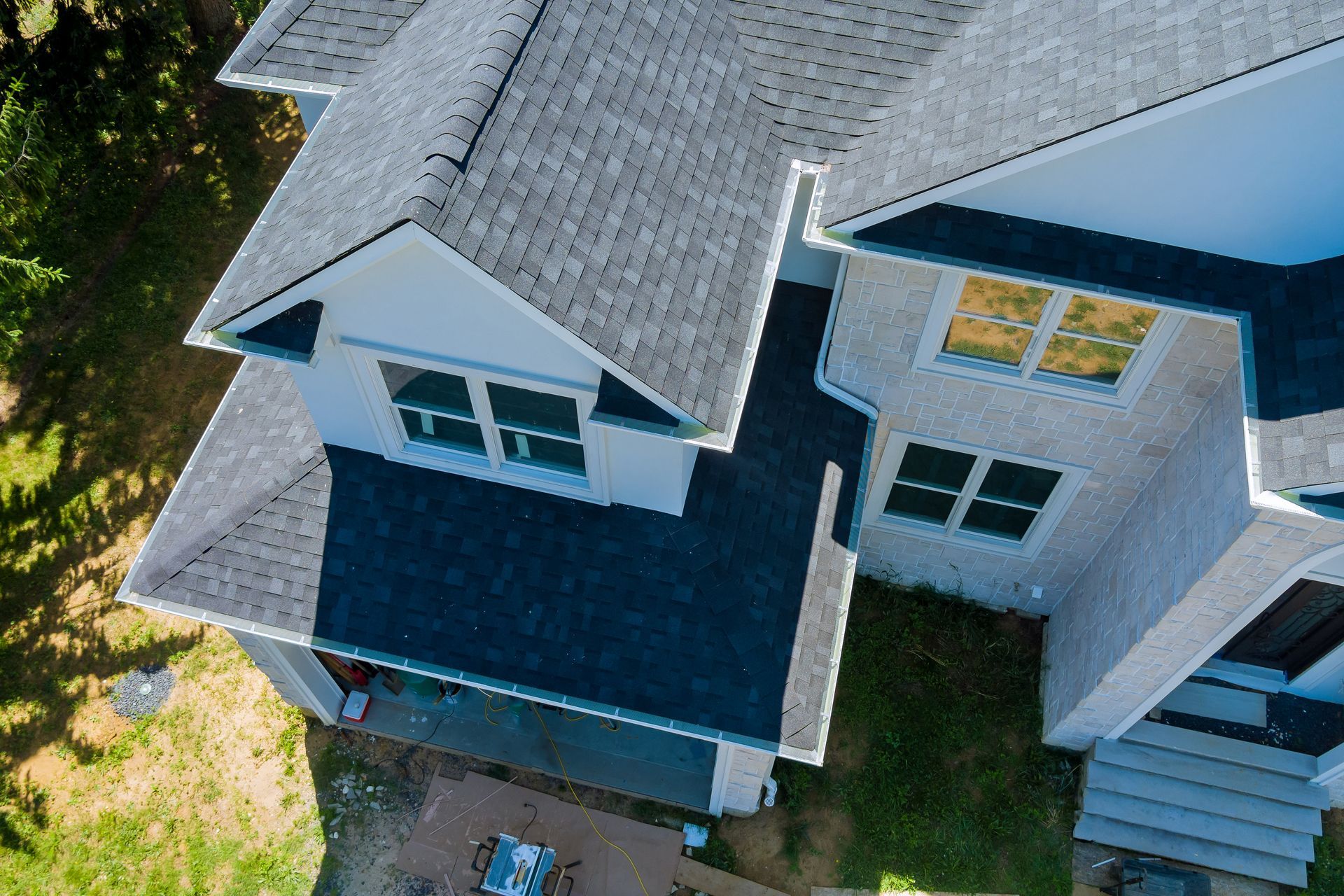
Every reliable roofing system relies on hidden layers to protect the property from structural decay. At Advanced Roofing Systems Ltd., we know that asphalt shingles are only the first line of defense against the harsh weather we see across Alberta. Underneath those shingles sits the underlayment, a crucial barrier that sheds water and manages condensation before it can reach your wood decking. When a contractor cuts costs by installing cheap or incorrect underlayment, the entire surface above it begins to fail prematurely and requires major roof repair work.
Property owners often assume their shingles are defective when they notice curling or loose tabs, but the real culprit is usually hidden below. Substandard underlayment breaks down quickly, trapping heat and moisture that slowly cooks the asphalt from the bottom up. By the time a leak appears on your ceiling, the damage to the decking is already extensive. Let us examine exactly how poor underlayment ruins an asphalt roof and why catching it early saves you from massive residential roofing expenses down the road.
What We Cover:
- Tip #1: Watch for Moisture Trapped by Non-Breathable Materials
- Tip #2: Identify Premature Wrinkling Under the Shingles
- Tip #3: Note the Impact of Missing Ice and Water Shield
- Tip #4: Check for Degraded Felt Around Fastener Holes
- Frequently Asked Questions
Tip #1: Watch for Moisture Trapped by Non-Breathable Materials
Traditional tar paper has been used for decades but cheap varieties lack the breathability required for modern, well-insulated attics. When interior humidity rises into the attic space, a low-quality underlayment traps that moisture against the underside of the wood deck. This constant dampness leads to widespread decking rot and significantly shortens the lifespan of your asphalt shingles.
• Attic Condensation: Poorly ventilated underlayment forces hot air to turn into liquid water against the roof boards.
• Deck Rot: Chronic moisture exposure turns solid plywood into spongy material that can no longer hold roofing nails.
• Blistering Asphalt: Trapped water vapor pushes upward and creates visible bubbles on the surface of your shingles.
Tip #2: Identify Premature Wrinkling Under the Shingles
Thin, substandard felt paper absorbs atmospheric moisture during installation if left exposed to humid air for even a few hours. This absorption causes the felt to warp and wrinkle before the shingles are even nailed down. Those wrinkles telegraph right through the asphalt layer, creating an uneven surface that is highly susceptible to wind damage.
• Telegraphing Lines: Noticeable ridges running horizontally across the roof indicate buckled underlayment beneath.
• Wind Uplift Vulnerability: An uneven shingle surface catches strong Leduc wind gusts and leads to torn or missing tabs.
• Sealant Failure: Shingles sitting on a wrinkled base cannot bond properly to the row below them.
Tip #3: Note the Impact of Missing Ice and Water Shield
A quality installation always includes a specialized, self-sealing membrane along the eaves and valleys to combat Alberta winters. Budget installations often skip this heavy-duty underlayment to save money, relying instead on standard felt paper in high-risk zones. When a heavy St. Albert spring melt occurs, water backs up under the lower shingles and easily bypasses the weak felt layer.
• Eave Protection: Ice and water shield adheres directly to the deck to block water pooling behind ice dams.
• Valley Vulnerability: The joints where two roof planes meet require a self-healing membrane to handle heavy runoff.
• Winter Leaks: Skipping this crucial underlayment upgrade guarantees interior dripping during the first major thaw.
Tip #4: Check for Degraded Felt Around Fastener Holes
Every nail driven through a shingle also punctures the underlayment below it. Premium synthetic underlayments are engineered to stretch and seal tightly around these nail shafts to prevent moisture intrusion. Cheap felt paper simply tears when punctured, leaving a small gap around every single fastener on your roof.
• Micro-Tears: Low-grade felt rips easily during installation and compromises the watertight barrier.
• Rusted Hardware: Water seeping through torn underlayment quickly rusts the roofing nails holding the shingles.
• Creep Leaks: Small drops of water travel along the nail shaft to slowly rot the decking over several years.
Frequently Asked Questions
What happens when roof underlayment fails?
When underlayment degrades, any water that blows past the shingles has direct access to the bare wood roof deck. The decking absorbs this moisture, leading to structural rot, mold growth in the attic, and eventual ceiling leaks. Because the underlayment acts as a slip sheet, its failure also causes the shingles above to bind to the expanding wood and tear themselves apart.
Can you install new shingles over damaged underlayment?
Leaving old, compromised underlayment in place is a massive liability that voids most manufacturer warranties. A roofer must strip the deck down to the bare wood to inspect for hidden rot and ensure the new underlayment has a solid surface to adhere to. Installing fresh asphalt materials over failing felt paper guarantees the new roof will suffer the exact same moisture problems.
How much does emergency roof repair cost?
Emergency service costs vary heavily depending on the severity of the structural damage and the pitch of the property. Temporary tarping to stop immediate water intrusion is relatively affordable, but replacing rotten decking and failed underlayment drives the final repair bill up. Addressing underlayment issues before the wood rots entirely is the only way to avoid a major emergency expense.
Protecting Your Property From Hidden Moisture Damage
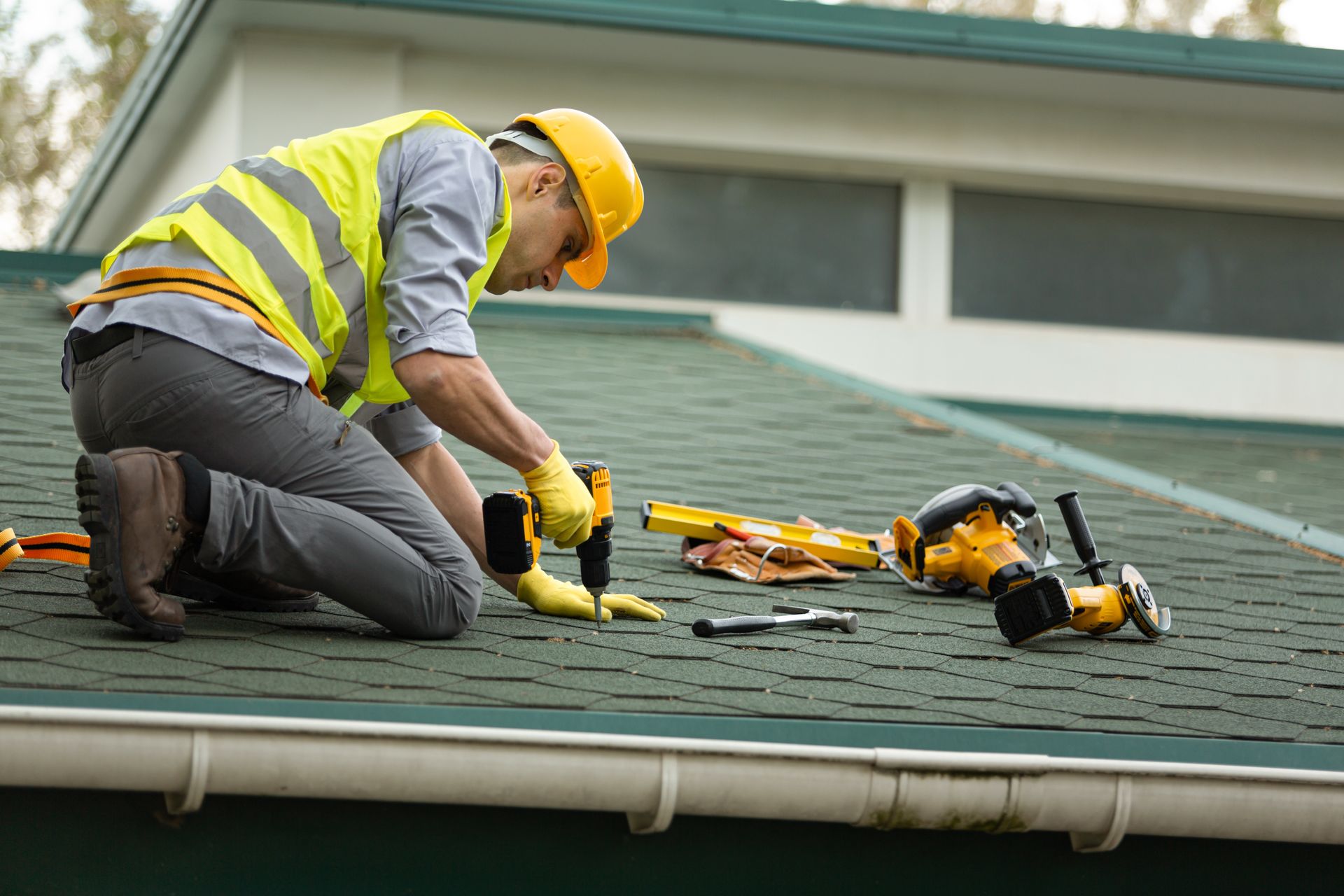
A roof is only as durable as the hidden layers resting directly against the wood decking. If your property is showing signs of uneven shingles or unexplained attic moisture, the underlayment is likely failing. Reach out to our crew to get a proper assessment of your roofing system and stop the decay in its tracks.
Share This Blog